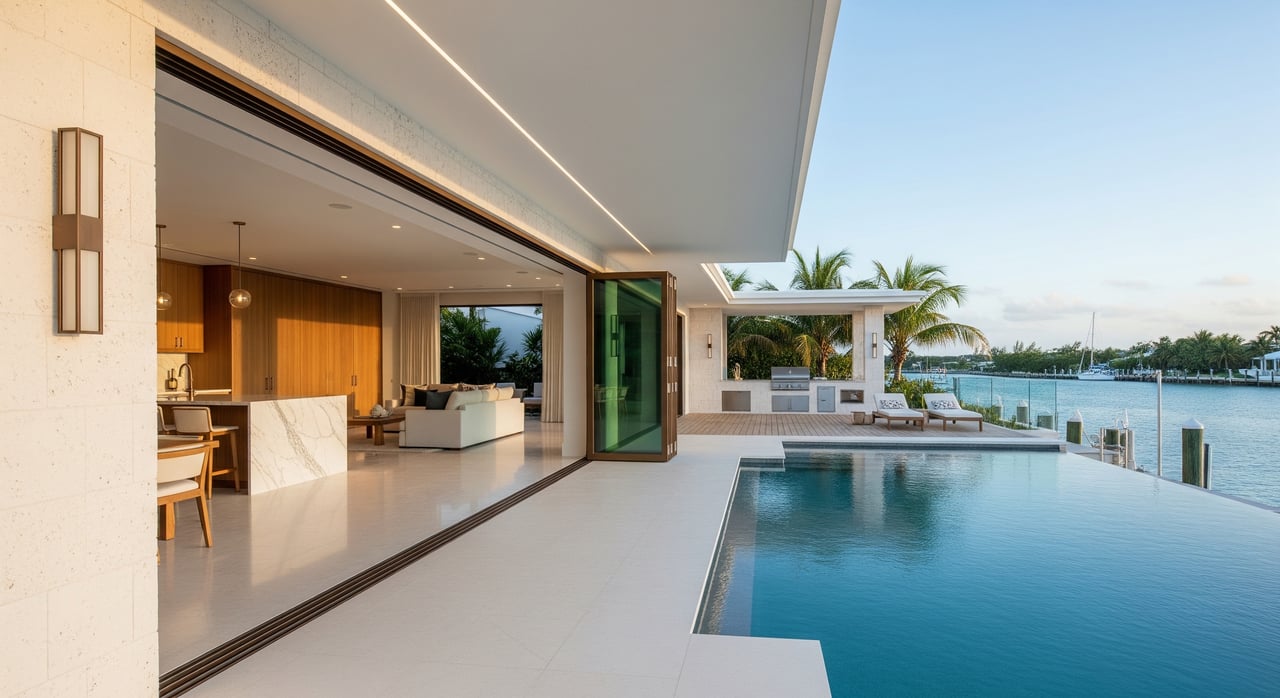
What if one or two smart upgrades could set your Old Fort Bay home apart and help you sell with confidence? In a waterfront community where buyers value quality, resilience, and lifestyle, the right projects carry real weight. If you want to invest wisely before listing or simply elevate daily living, you need a plan that fits the way buyers think here. This guide breaks down the renovations that resonate in Old Fort Bay, plus the HOA, permits, timelines, and documentation to keep your project—and future sale—on track. Let’s dive in.
What buyers value in Old Fort Bay
Old Fort Bay buyers look for safety, design, and easy enjoyment of the water. They want homes that handle storms, feel effortless to maintain, and invite outdoor living. Private docks, well-designed pavilions, and refined interiors all matter, but so do the unglamorous systems that keep everything running.
In a tropical marine setting, salt air, humidity, and sun push materials to their limits. Choices that resist corrosion and wear are worth the premium. Many items are imported, so build in time for shipping and custom orders. The Bahamian dollar typically tracks at parity with the US dollar, which helps when you compare prices and quotes.
High-impact renovations to prioritize
Hurricane-rated openings and roofing
Impact-rated windows, doors, and wind-rated roofing are top value drivers. Buyers view these as essential safety features, and insurers often do too. Ask for product test certifications, upgrade flashing and seals for salt air, and confirm roof strapping and secondary water barriers are in place. These upgrades are a moderate-to-high cost, but they carry high perceived value and can influence insurability.
Waterfront infrastructure: dock and seawall
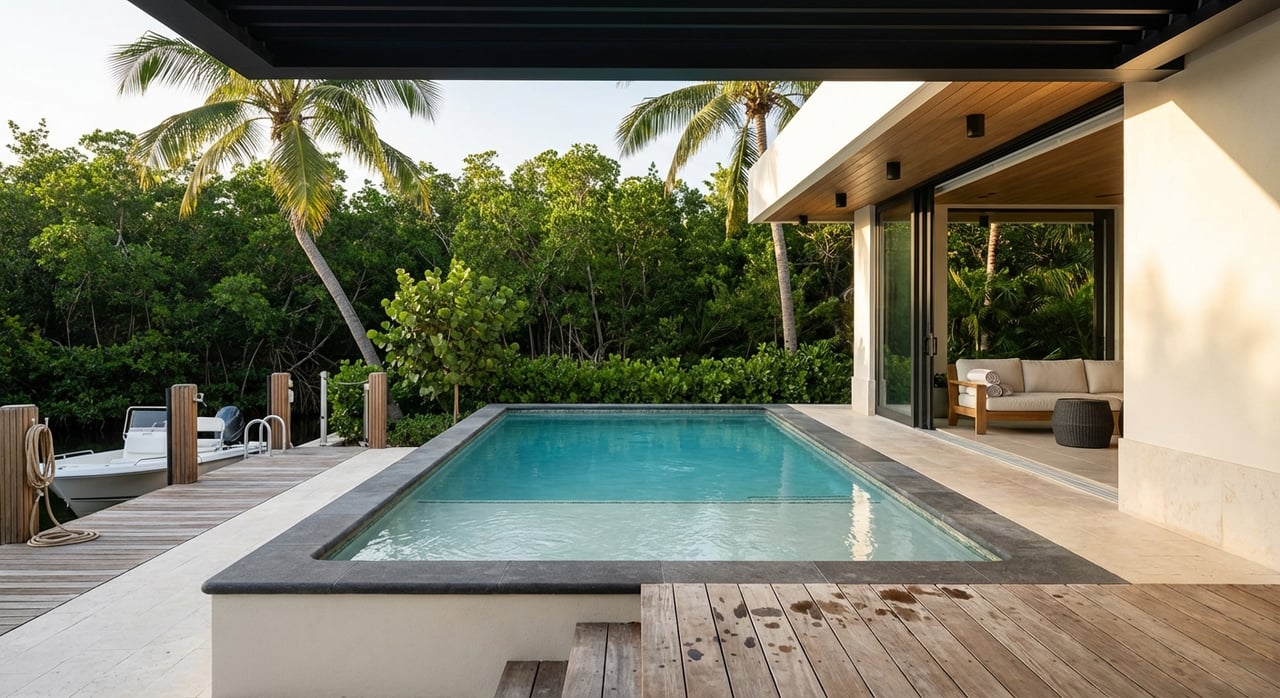
Direct boating access is central to Old Fort Bay living. A well-built dock with proper cleats, ladders, lights, shore power, and freshwater hookups stands out. Seawall integrity is critical, since buyers and inspectors look closely at erosion and maintenance history. Expect to use marine-grade materials and secure marine and HOA approvals before work begins. While costs can be significant, solid docks and seawalls typically add clear market value.
Outdoor kitchens and covered pavilions
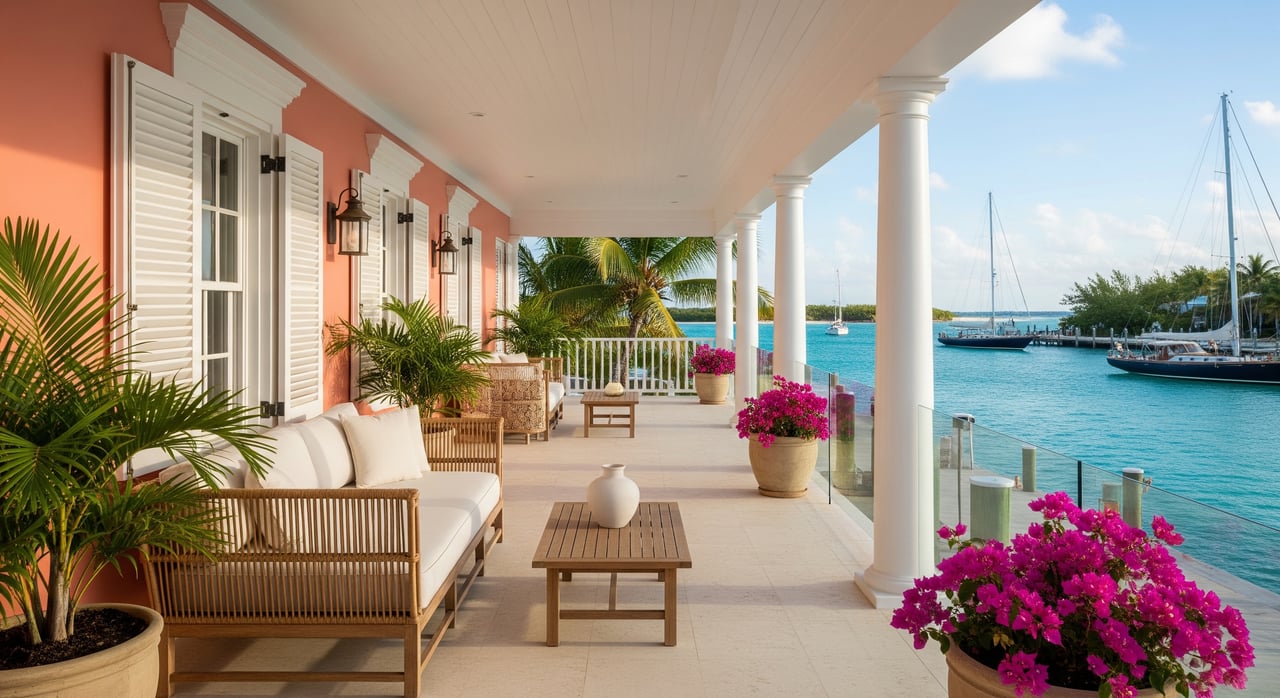
Outdoor living is a year-round priority, and buyers love spaces that are comfortable, shaded, and functional. Consider a roofed or screened pavilion with drain paths, durable outdoor appliances, and cabinetry designed for marine conditions. Connect the layout to your pool and main kitchen for easy flow. These projects tend to show well and translate to strong marketability.
Energy resilience: generators, solar, and HVAC
Reliable power is a major concern for local and international buyers. A properly sized backup generator with safe fuel storage is often viewed as essential. Solar with battery backup is increasingly attractive for resiliency and operating cost control. Upgrade HVAC systems for efficiency and humidity management, and keep service records. During a sale, provide documentation, specs, and maintenance logs to build confidence.
Kitchens, baths, and flooring
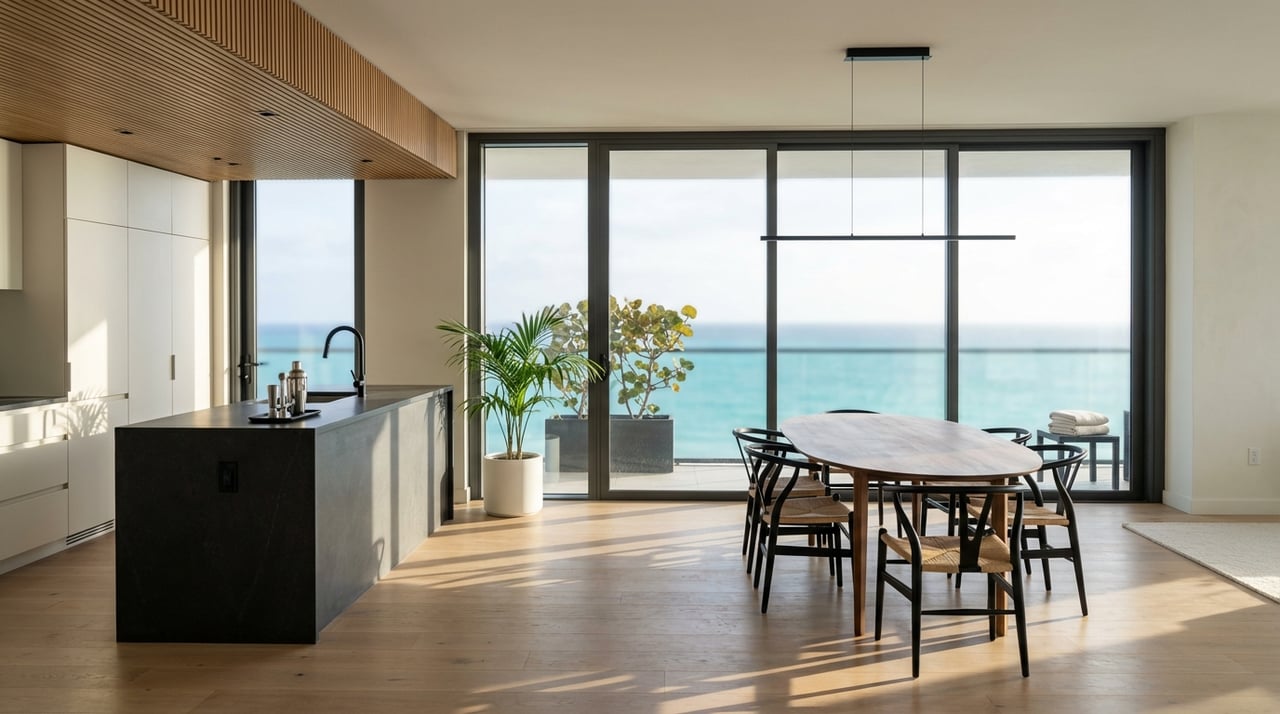
Designer-level kitchens and primary bathrooms remain core luxury expectations. Focus on functional layouts, premium appliances, quality stone or engineered surfaces, and marine-grade hardware. Choose finishes that hold up to humidity and salt, and keep selections neutral and upscale to appeal to a wider buyer pool. You usually see strong interest on these upgrades when they are well executed.
Pools, decks, and landscaping
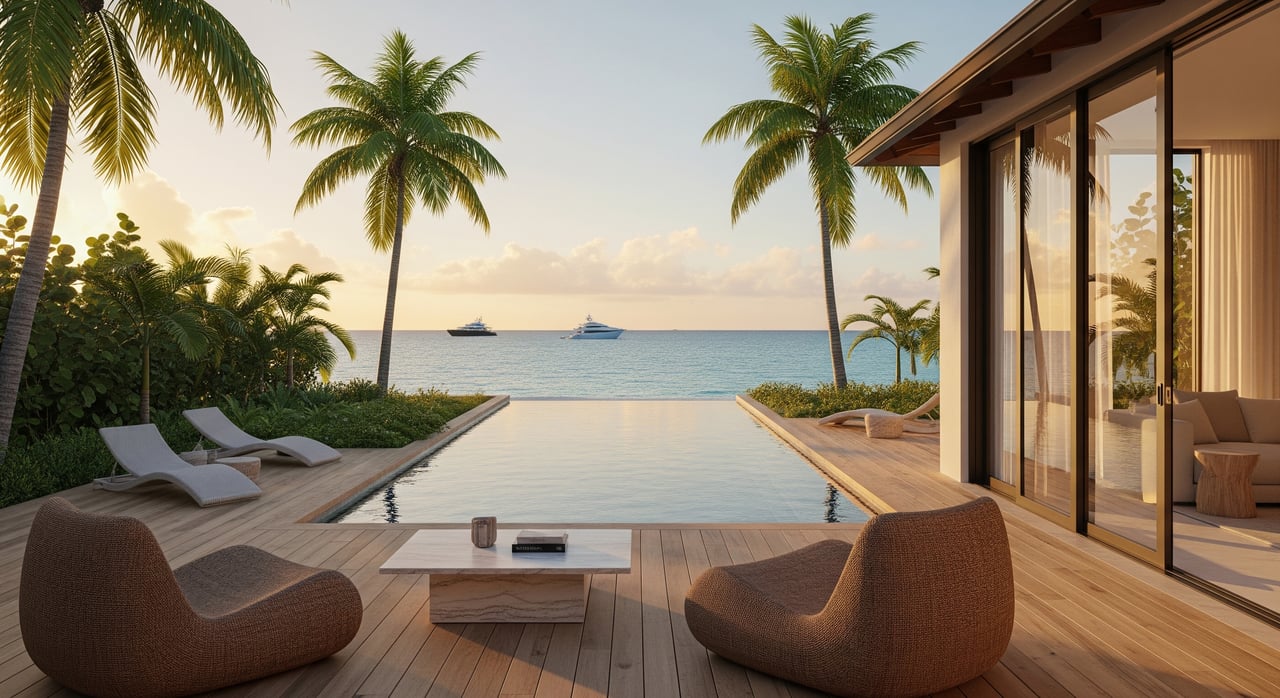
A beautiful, well-maintained pool with non-slip decking and durable coping is a plus. Saltwater pool systems can be attractive in a marine climate. Use native or salt-tolerant plants and consider smart irrigation to reduce maintenance. These upgrades help listings photograph beautifully and support the island lifestyle that draws buyers to Old Fort Bay.
Systems: plumbing, water supply, and filtration
Buyers prioritize homes that feel move-in ready behind the walls. Confirm water pressure, hot water capacity, and the condition of piping. Cisterns or filtration systems are often desirable. These practical upgrades may not show in photos, but they remove friction during inspections and negotiations.
Security and smart-home convenience
Beyond the gated setting, modern alarms, cameras, and smart locks are now expected. Centralized lighting controls, zoned HVAC, and smart irrigation add convenience, especially for owners who do not live on site year-round. Keep systems user-friendly and document installers, warranties, and access credentials.
Plan for HOA, permits, and insurance
HOA architectural review
Expect an architectural review process for any exterior work. Typical requirements include detailed plans and elevations, material specifications, contractor licenses, and construction rules covering hours, noise, and waste removal. Start with the Old Fort Bay Property Owners Association early to align design and avoid delays.
Building and marine permits
Structural remodels, electrical, plumbing, and mechanical work usually need permits. Docks, seawalls, and any in-water work require marine or coastal approvals, sometimes with environmental and erosion reviews. Coordinate with the Bahamas Department of Physical Planning and relevant marine authorities, and plan for processing time in your schedule.
Insurance guidance
Upgrades like impact windows, reinforced roofing, and seawall work can affect insurability and premiums. Speak with your insurance broker before you begin so specs meet carrier standards. Keep receipts, product documentation, and any post-project inspection reports on file for buyers.
Timelines and lead times in Nassau
Set realistic expectations and build in a contingency for weather and shipping. Smaller projects can move quickly, but custom windows, marine hardware, and specialty finishes often require longer lead times. Permit and HOA review schedules can vary with scope and season.
- Planning and design: 2 to 8 weeks for smaller projects, 8 to 16 or more for full remodels or complex marine engineering.
- HOA and permits: 2 to 6 or more weeks for HOA review, 4 to 12 or more weeks for building and marine permits.
- Procurement: appliances, impact windows and doors, and marine components often take 4 to 12 or more weeks.
- Construction ranges:
- Window and door replacement: 2 to 6 weeks.
- Kitchen remodel: 8 to 16 or more weeks.
- Dock or seawall: 1 to 6 or more months depending on conditions and scope.
- Generator or solar install: 4 to 12 weeks including coordination.
- Contingency: add 10 to 25 percent time for material delays, permit revisions, and weather, especially during hurricane season.
Choosing the right contractor
Select licensed local contractors with proven coastal experience, especially for docks and seawalls. Ask to see similar waterfront projects and speak with past clients. Obtain multiple bids and compare scope, methods, and timelines—not just price.
Key contract items to include:
- Detailed scope of work, milestones, and payment schedule
- Warranty terms for workmanship and materials
- Change-order procedures and pricing transparency
- Proof of insurance, licenses, and any required bonds
- Site protection, clean-up, and rules that respect neighbors and community assets
Preparing to list after renovations
What to finish before listing
Complete projects that reduce buyer risk first. Impact-rated openings, roof reinforcement, dock or seawall repairs, and major mechanical upgrades help deals move forward. Highly customized cosmetic choices may not return their full cost, so keep aesthetics neutral and timeless.
Documents buyers expect
Have a clean package ready for showings and due diligence:
- HOA approvals and architectural compliance
- Building permits and final inspection certificates
- Warranties for roofing, windows, solar, pool equipment, and systems
- Service and maintenance records for docks, seawalls, HVAC, and generators
- Any insurance inspection reports or correspondence about improvements
Answer these buyer questions
Buyers will ask about compliance, durability, and operating costs. Be ready to discuss certifications for impact-rated windows and doors, seawall maintenance and any engineer reports, backup power capacity, and typical monthly or seasonal expenses for utilities, landscaping, and pool service.
Quick prioritization checklist
Essential safety and insurance
- Impact-rated windows and doors
- Roof reinforcement and secondary water barriers
- Seawall repairs and dock safety
High-impact lifestyle
- Outdoor kitchen and covered pavilion
- Pool deck refresh and smart irrigation
- Generator and solar with battery storage
Aesthetic and function
- Designer kitchen and primary bath upgrades
- Humidity-resilient flooring and finishes
- Smart-home security and convenience
A thoughtful plan grounded in Old Fort Bay’s lifestyle and coastal conditions helps you invest where it matters most. If you would like a local perspective on which upgrades fit your goals and timeline, connect with The Altidor Collection for confidential guidance tailored to your property.
FAQs
What renovations add the most value in Old Fort Bay?
- Impact-rated windows and roofing, dock and seawall readiness, energy resilience, and well-designed outdoor living typically have the strongest buyer appeal.
How long do HOA and permit approvals take in Old Fort Bay?
- HOA review often takes 2 to 6 or more weeks, while building and marine permits commonly range from 4 to 12 or more weeks depending on scope.
Do I need approvals for dock or seawall work in Old Fort Bay?
- Yes, marine and coastal approvals plus HOA consent are typically required for docks, seawalls, or any in-water work, and they can add time to your schedule.
Will hurricane-rated windows help with insurance in The Bahamas?
- Replacing older windows and roofing with impact-rated systems can positively affect insurability and premiums when they meet insurer standards.
When should I start if I plan to list this year in Old Fort Bay?
- Begin planning 3 to 6 or more months ahead for moderate projects, and longer for docks or full remodels to allow for design, approvals, procurement, and construction.