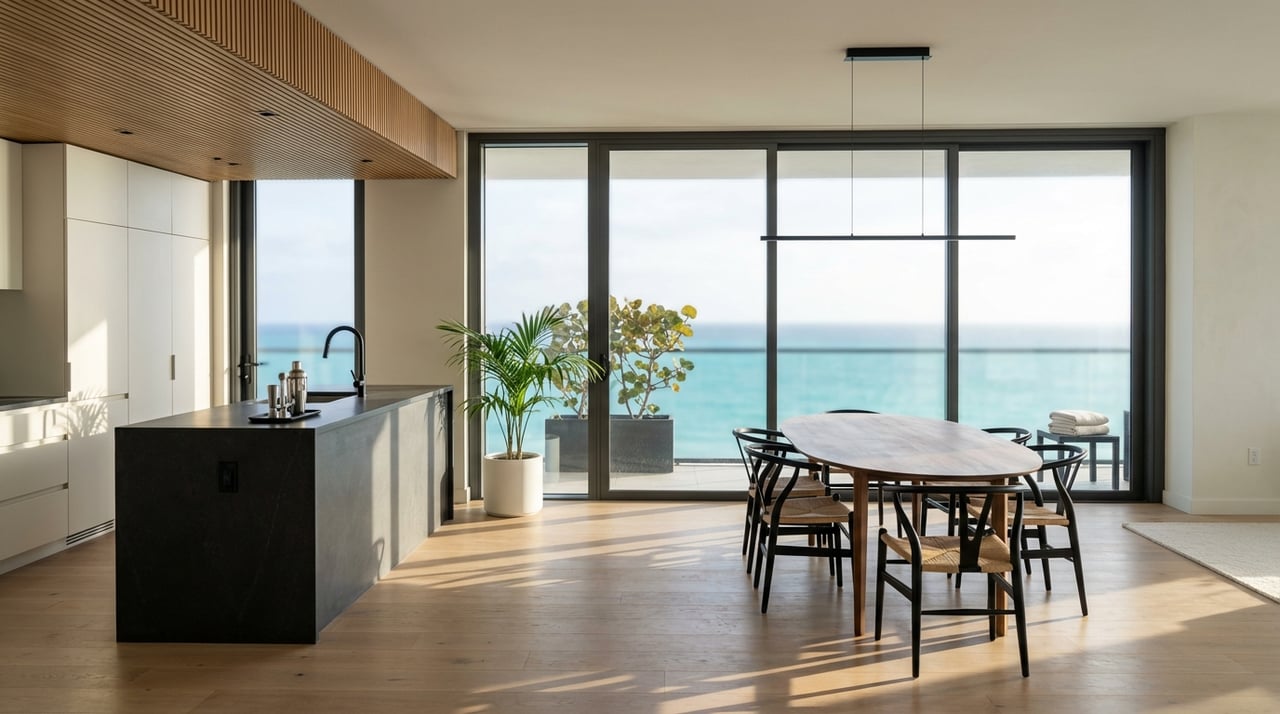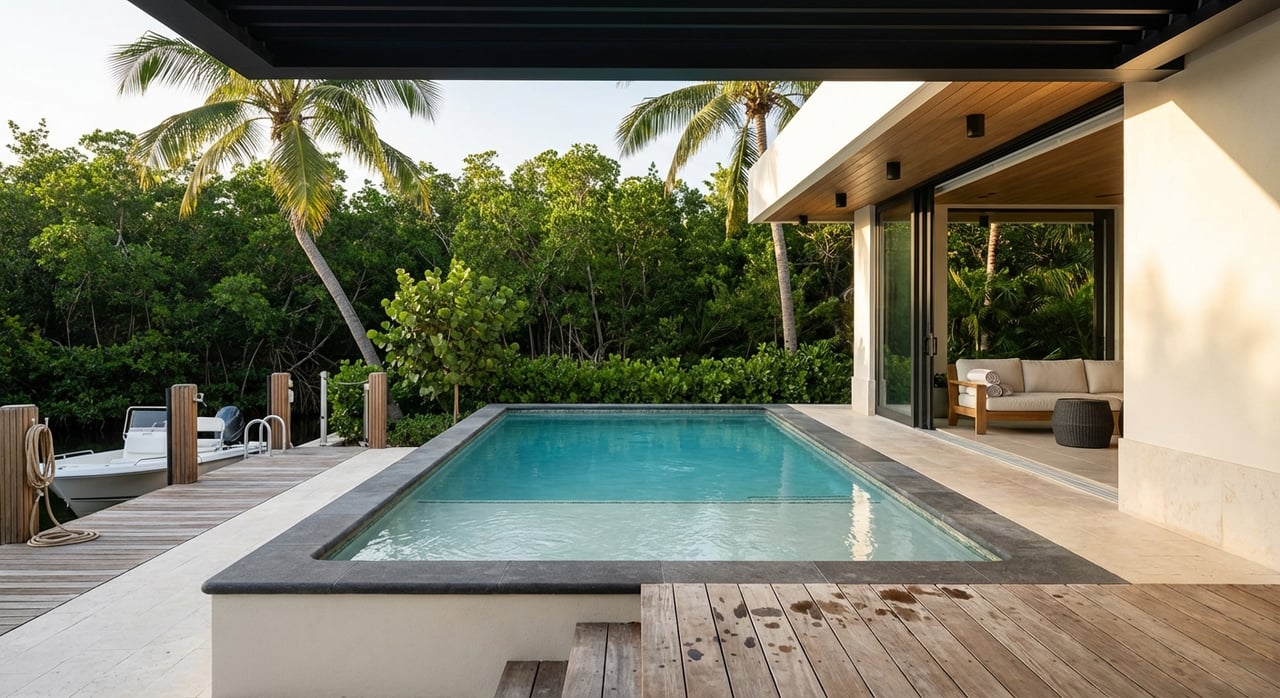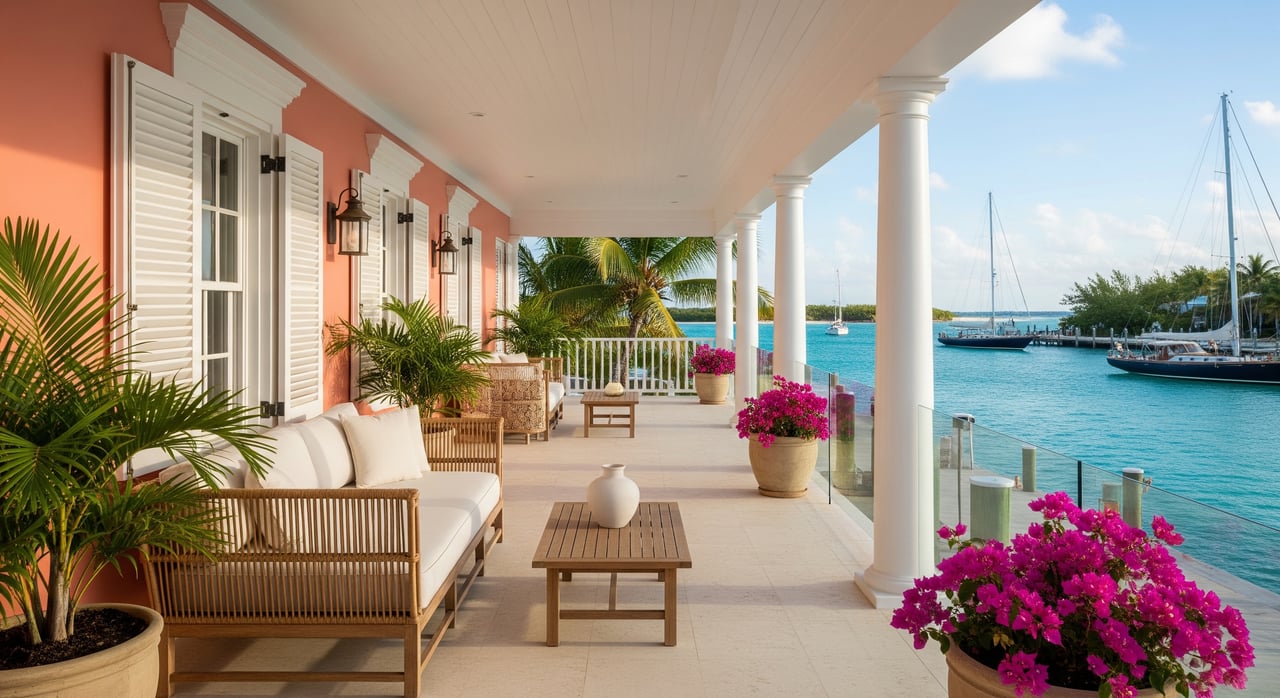
If you picture waking to turquoise water, stepping onto powder-soft sand, and still having a quiet place to retreat, Paradise Island deserves a close look. You want a relaxed island rhythm, but you also want practical answers about daily life, privacy and ownership. In this guide, you will learn how the island works, what lifestyle to expect, and what to plan for as a full- or part-time resident. Let’s dive in.
Paradise Island at a glance
Paradise Island sits just off Nassau on New Providence and connects by bridge, so you get an intimate island setting with quick access to city services. The island is famous for its resort energy, yet it also hosts private residences, gated enclaves and luxury condos. You can live close to the action or choose a quieter pocket with controlled access. Expect a compact, walkable environment where resort conveniences and residential life intersect.
Access and getting around
Lynden Pindling International Airport on New Providence is your main gateway. The drive to Paradise Island typically takes 15 to 30 minutes depending on traffic. You will drive on the left, and most residents rely on private cars, taxis or car services. Traffic builds near bridges and resort entrances, especially during cruise arrivals and peak holidays.
Climate and seasons
The climate is warm year-round with a tropical maritime pattern. The wet season overlaps with the hurricane season from June to November, with the highest risk between August and October. Weather shapes daily life, from boating schedules to visitor levels. Plan for hurricane readiness and season-aware travel if you own a home here.
Beaches and on-water life
Public beaches, including stretches known as Cabbage Beach, offer white sand and clear water that attract visitors from around the world. Crowds rise during high season and around large resort occupancies. Many private communities and resort residences provide dedicated beach access or quieter shoreline zones. If you love the water, you will find snorkeling, reef diving, paddleboarding, jet-skiing, sportfishing and island-hopping at your doorstep.
Marinas and boating
Paradise Island and neighboring Nassau host multiple marinas with slips for yachts of many sizes. Berths can be limited during peak season, so advance arrangements are wise. If you arrive by private boat, you must clear customs and immigration at a port of entry. Yacht owners can access provisioning, fuel and marine services locally, with superyacht support concentrated on New Providence.
Daily essentials
Groceries and provisioning
You can source everyday groceries, specialty goods and household items on New Providence and around Paradise Island. Because many products are imported, routine costs are higher than in many mainland markets. High-end concierge and provisioning services are common for seasonal owners and yacht crews. Plan ahead for holiday weeks when demand spikes.
Dining and culture
You can enjoy everything from fine dining inside resorts to casual local eateries. For cultural experiences, Nassau’s Junkanoo traditions, historic sites and the Arawak Cay food scene are a short drive away. Nightlife and casino entertainment are centered in resort districts, while residential pockets remain calmer. On busy nights, sound and foot traffic from tourist areas can carry into nearby zones.
Healthcare, education, services
Healthcare access
Primary and specialized care is concentrated on New Providence, including major hospitals and private clinics. For complex or specialized procedures, some residents choose to travel to Florida medical centers. For day-to-day needs, you can find general practitioners, pharmacies and urgent care options in Nassau.
Education options
Families considering full-time residence look to private and international schools on New Providence. Curricula and admissions vary, and public schooling follows Bahamian standards. Confirm options, intake timelines and transportation before you commit to a move.
Home and personal services
Housekeeping, landscaping, pool care, marine support and private security are widely available. Property managers are common for seasonal owners who need maintenance, staffing and oversight while away. Ask for references and written scopes of work so expectations are clear.
Recreation and wellness
Championship and resort golf options are nearby for members and guests. You can access spas, tennis, fitness centers and family-friendly water attractions within resort complexes. Many homeowners favor communities with turnkey amenity access. If wellness is a priority, confirm hours, membership rules and guest policies.
Homes and ownership
Property types
You will find high-end condos within resort towers, private villas on small lots, townhomes and gated estate parcels. Many buyers prefer managed communities for security, maintenance and amenity access. Top-floor residences and controlled-access buildings appeal to privacy-minded owners.
Resort residences
Buying inside a resort typically includes amenity privileges and professional property management. Expect condominium or HOA fees and specific rules around short-term rentals. Review governing documents and understand service levels before you make an offer.
Buying as a non-Bahamian
Non-Bahamians regularly purchase property in The Bahamas, but you should plan for formal approvals. A landholding approval process is typically required for foreign buyers and is handled through Bahamian authorities. Work with a licensed local real estate attorney and broker to confirm current requirements, timelines and fees. Legal counsel should also verify title, surveys and any condominium or HOA obligations.
Financing and structure
Local and international mortgages are possible for some buyers, but many transactions are all-cash or use offshore financing. Terms vary based on lender and buyer nationality. If financing matters to you, begin conversations early to understand documentation and closing timelines.
Short-term rentals
Some properties allow short-term rental income, while others restrict or prohibit it. Resort and condominium policies are property-specific. Verify current rules before relying on projected rental revenue.
Costs and taxes
Tax environment
The Bahamas has historically not levied personal income tax or capital gains tax, which is a draw for many international owners. The government collects revenue through duties and consumption taxes, including a value-added or similar sales tax. Always confirm current rates with the proper authorities.
Ongoing costs
Budget for real property tax, HOA or condo fees, electricity and water, homeowners insurance, and hurricane or windstorm coverage. Costs for goods and services are higher due to imports. Many luxury properties also include private security, gardening, marine maintenance or domestic staff.
Insurance focus
Hurricane and windstorm insurance is essential in coastal locations. Insurers may require impact-rated windows, roof tie-downs and other mitigation. Review deductibles, exclusions and claim procedures before binding coverage.
Residency and time in country
Many international owners spend part of the year in The Bahamas on standard visitor entries, with permitted lengths varying by nationality. Long-term residency and work require specific permits. Purchasing property does not automatically grant the right to live or work. Consult the Bahamas Department of Immigration or a qualified immigration attorney for current programs, documentation and processing times.
Full-time vs seasonal living
Full-time life brings the benefits of a warm climate, beach and boating access, and easy flights to Florida. You will also manage higher costs, storm planning and a smaller pool of specialized services than in major cities. Seasonal owners often use the island during winter and rely on managers for maintenance and hurricane readiness. Choose a model that aligns with your schedule, privacy needs and tolerance for hands-on oversight.
Quick comparison
- Full-time pros: year-round beach and boating, tax advantages, community ties, quick U.S. access.
- Full-time tradeoffs: higher import-driven costs, hurricane risk, limited depth in some specialty services, occasional utility interruptions.
- Seasonal pros: enjoy peak weather and resort amenities with management support.
- Seasonal tradeoffs: plan provisioning, service scheduling and storm readiness while away.
Privacy and neighborhood choices
Buyers who value discretion lean toward gated communities, villas with limited sightlines, and controlled-access condo levels. Even in exclusive enclaves, proximity to resorts can influence privacy and noise. During tours, study sightlines, entry points, and traffic patterns around the property. Ask about on-site security staffing and visitor protocols.
Risks and readiness
Hurricane preparedness
Create a plan for shutters or impact glass, generators with fuel contracts, and a property protection checklist. If you are away during storm season, appoint bonded staff and a trusted manager with clear authority and communications. Review community policies for storm protocols and post-event access.
Utilities and redundancy
Electricity comes from the national provider, and outages can occur. Many homes maintain backup generators and, increasingly, solar-plus-storage systems. Municipal water is available, and some properties use cisterns or desalination for added resilience. If you work remotely, verify available internet speeds and service-level agreements before you buy.
Supply chains and timelines
Specialty items, parts and certain appliances may have longer lead times. This affects renovation schedules and routine upkeep. Plan maintenance and upgrades ahead of peak season to avoid delays.
Property management and staffing
For non-resident owners, a reliable property manager is essential. Clarify scheduling, storm procedures, guest coordination, financial reporting and vendor selection in writing. Domestic staff such as housekeepers, gardeners and boat crews are available, and any foreign hires must comply with local labor and immigration rules. Request references and align expectations early.
Legal due diligence checklist
- Engage a licensed Bahamian real estate attorney early.
- Verify title, boundaries and any easements.
- Review condominium bylaws and HOA rules in full.
- Confirm short-term rental policies and any resort restrictions.
- Check environmental rules and any marine permitting for docks or seawalls.
- Validate building code compliance and storm-mitigation features.
A day in the life
Your morning might begin with a beach walk on a quiet stretch before the day’s visitors arrive. Midday, you could head to the marina, meet a charter for reef snorkeling, or enjoy a workout and spa session. Afternoon errands are simple with Nassau’s services a short drive across the bridge. Evenings can be as lively or serene as you wish, from a resort restaurant to dinner on your terrace with the sound of the surf.
Next steps
Paradise Island blends turnkey resort convenience with the option for true privacy. If you want a home that balances marine adventure, cultural access and discreet living, the right property can deliver it. For bespoke guidance, curated listings and off-market access, connect with The Altidor Collection. We tailor the process to your goals and handle the details with concierge care.
FAQs
What is the commute from NAS to Paradise Island?
- The drive from Lynden Pindling International Airport to Paradise Island typically takes 15 to 30 minutes depending on traffic.
How busy do the beaches get on Paradise Island?
- Public beaches can be crowded in high season and during cruise arrivals, while private or community beach access points are usually quieter.
Where do residents get medical care near Paradise Island?
- Primary and specialized care is on New Providence at major hospitals and private clinics, with some residents traveling to Florida for advanced procedures.
Can non-Bahamians buy property on Paradise Island?
- Yes, foreign buyers can purchase, but you should plan for a formal landholding approval process and work with a local real estate attorney and licensed broker.
What ongoing costs should I budget for as an owner?
- Typical costs include property tax, HOA or condo fees, utilities, homeowners and hurricane insurance, and higher living expenses due to imports.
Does buying a home grant residency or work rights in The Bahamas?
- No, property ownership does not automatically grant residency or work rights; consult the Bahamas Department of Immigration for current permit options.