You probably first heard about Harbour Island for its pink sand, but the real magic starts once you settle into the island’s daily rhythm. If you’re weighing a second home or a long-stay escape, you want to know how life actually works beyond the beach photos. In this guide, you’ll get a clear view of transportation, utilities, seasons, social life, boating, and what to expect when you buy. Let’s dive in.
Island feel and flow
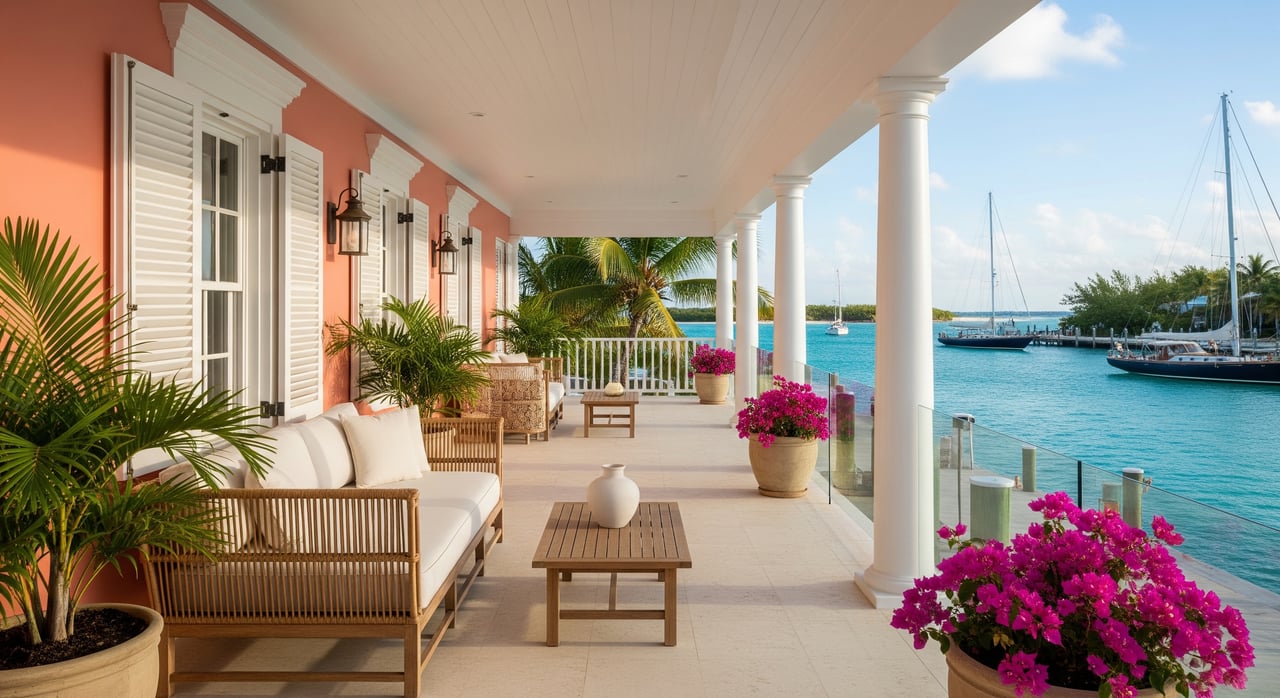
Harbour Island centers on Dunmore Town, a compact settlement with narrow lanes and colorful colonial architecture. You can walk or use a golf cart to reach the island’s east-side highlight, Pink Sands Beach. Life blends a close-knit Bahamian community with a strong second-home and boutique hospitality scene. Most social time orbits the beach, docks, restaurants, and the island’s seasonal calendar.
Getting there and getting around
Air and water access
You typically fly into North Eleuthera Airport and take a short water taxi to Harbour Island. During high season, there are scheduled commercial flights from Nassau and some U.S. hubs to Eleuthera airports. Boaters also arrive by sea, but customs procedures apply for international entries. Factor travel timing, baggage, and taxi or ferry schedules into your routine.
Golf-cart culture 101
Golf carts are the primary way to move around Dunmore Town. Expect slow speeds, sandy or uneven surfaces, limited parking, and lots of pedestrians. Many homes include golf-cart parking or charging setups. Rules for registration, licensing, and night lighting can vary, so confirm current requirements with local authorities or your real estate advisor.
Daily essentials to plan for
Utilities and connectivity
Commercial power is available, but outages happen. Many homes use backup generators, and more owners are adding solar with batteries. Water sources vary by property and may include municipal lines, cisterns, private wells, or delivered water, with rainwater collection common. Internet has improved but can be less reliable than on the mainland. If you work remotely, verify a specific home’s connectivity and consider cellular or satellite backups.
Groceries, goods, and deliveries
Local shops carry daily basics, but large provisioning often comes from Eleuthera or Nassau. Building materials and specialty items can have long lead times. Delivery and courier schedules may be slower and follow island-specific procedures. Plan ahead for holidays, storms, and peak-season demand.
Healthcare and emergencies
Basic medical care and pharmacies are available locally or on nearby Eleuthera. For hospital-level or specialist care, you will need to travel to larger Eleuthera centers or Nassau. Because of weather and limited emergency infrastructure, have a clear evacuation and medical transport plan. Appropriate insurance and a medevac membership give added peace of mind.
Dining, hotels, and seasons
Where people gather
Dining on Harbour Island ranges from beach-side eateries and local fish shacks to higher-end spots inside boutique hotels. Hours can be seasonal, and reservations are smart in peak months. The beach, hotel bars, and marinas act as the island’s living room, where residents and visitors mix. Expect a relaxed, social atmosphere built around the water.
Boutique hotels as anchors
Hotels here are small and design-forward rather than large-scale resorts. Many host events and open their dining to non-guests, shaping the island’s culture and economy. They employ local teams and add variety to the food and beverage scene. These properties help set the tone for service and community life.
High season and quiet months
High season runs November through April, with active restaurants and strong visitor traffic. June through November overlaps with Atlantic hurricane season, so visitor numbers drop and some businesses scale back or close. Many second-home owners use their properties mainly in winter and travel elsewhere in summer. Short-term rentals also cluster in high season.
Boating and outdoor life
Why boating matters
Boating is central to island living. Owners use center consoles and tenders for island-hopping, fishing, and reaching beaches and reefs. Paddleboarding, snorkeling, and scuba are popular day-to-day activities. If you love being on the water, Harbour Island delivers.
Slips, storage, and safety
Moorings and marina space are available, but capacity is tight in peak months. Some owners keep boats on Eleuthera or secure seasonal slips well in advance. Local navigation requires attention to tides, sandbars, coral heads, and channels. Many people hire local captains or charter crews, follow up-to-date charts, and practice responsible anchoring to protect sensitive reefs.
Owning on Harbour Island
Who buys and what they choose
Common buyers include U.S. and Canadian second-home owners, some Europeans, and full-time residents tied to local business and hospitality. Homes range from historic cottages to renovated luxury beachfront properties and some boutique hotel units. Many owners position homes for vacation use or short-term rentals, especially in winter.
How the buying process works
Retain a Bahamas-licensed attorney for title search, contracts, local searches, and closing. Work with an agent who understands Harbour Island’s specifics, including flood risk, title nuances, and local zoning. Order surveys and inspections for roofs, systems, and septic or cisterns, noting that repair options and parts are more limited. Closings differ from U.S. and Canadian norms, with deposits on contract, staged payments, and coordination through local banks or attorneys.
Costs and ongoing expenses
Budget for legal fees, surveys, agent commissions, and government fees such as stamp duty and registration. Insurance can be materially higher than mainland markets, with separate considerations for wind or hurricane and flood. Utilities and routine maintenance tend to cost more due to logistics and imports. Property tax regimes exist in The Bahamas, with rates and assessments that vary, so confirm details with local authorities or your attorney.
Rules, residency, and permits
Foreign buyers commonly purchase property in The Bahamas. Certain transactions or developments may need permits or follow set procedures. Residency options exist through Bahamian immigration policy and are separate from buying a home. Policies change, so verify specifics with your attorney and government sources.
Risks and how to plan
Weather is the main exposure, with hurricane season from June to November. Market liquidity can be tighter than big-city markets, and pricing responds to seasonal demand. Construction and repair timelines stretch due to limited trades and import logistics. Plan for resilience and patience.
Risk-readiness checklist:
- Confirm hurricane-rated features, shutters, and elevation.
- Carry appropriate wind and flood insurance and understand deductibles.
- Maintain backup power, water storage, and an internet fallback.
- Pre-arrange local property management, contractors, and suppliers.
- Create an evacuation and medical transport plan for family and guests.
Is Harbour Island a fit? Quick checklist
- You prefer golf carts, walking, and a slower daily pace.
- You value a boutique dining and hotel scene over large resorts.
- You are comfortable with seasonal rhythms and reduced summer activity.
- You can plan around logistics for supplies, repairs, and deliveries.
- You love boating, beaches, and a water-first lifestyle.
- You are prepared for higher insurance and maintenance costs.
Work with a trusted advisor
If Harbour Island’s lifestyle speaks to you, the right guide makes all the difference. You want clear advice on neighborhoods, property types, seasonal rental dynamics, and the professional team you will need for a smooth purchase. For curated opportunities and discreet guidance across The Bahamas, connect with The Altidor Collection.
FAQs
Harbour Island seasons: what should I expect?
- Peak activity runs November through April, while June through November is quieter and overlaps with hurricane season, when some businesses reduce hours or close.
Harbour Island transportation: how will I get there?
- Most arrivals fly into North Eleuthera Airport, then take a short water taxi to Harbour Island; during high season, scheduled flights from Nassau and some U.S. hubs serve Eleuthera.
Golf carts on Harbour Island: are they practical?
- Yes, golf carts are the primary way to get around Dunmore Town; confirm local rules on registration, licensing, and night lighting before you drive.
Remote work on Harbour Island: is internet reliable?
- Service has improved but can be less consistent than on the mainland; verify a home’s setup and plan a backup like cellular data, private service, or satellite.
Harbour Island costs: what should I budget for?
- Beyond purchase price, plan for legal and government fees, higher insurance for wind and flood, above-average utilities and maintenance, and shipping or delivery expenses.
Boating near Harbour Island: is it beginner-friendly?
- Local waters require attention to tides, coral heads, and sandbars; many owners hire local captains or charter crews and use moorings to protect reefs.
Healthcare on Harbour Island: what’s available?
- Basic care and pharmacies are available locally or on nearby Eleuthera; for hospital-level or specialist care, you will travel to larger islands or arrange evacuation.
Renovations on Harbour Island: what’s the timeline?
- Skilled trades are available but limited, and materials often need importing; expect longer lead times and book contractors well in advance.