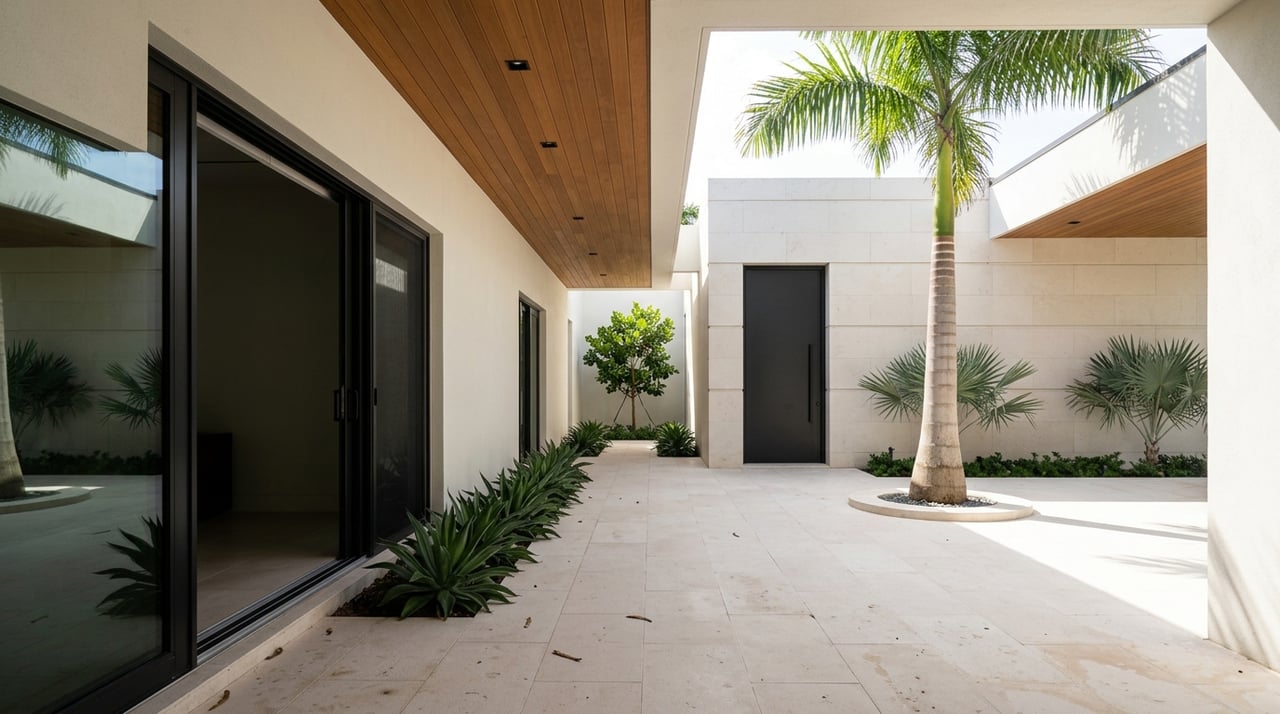
If you are thinking about a home in Lyford Cay, you are not just choosing an address. You are choosing how your family will gather, host, retreat, and return for years to come. In a community shaped by low-density planning, private club life, and long-term stewardship, the idea of a legacy estate becomes very real. Let’s look at what it means to design a legacy estate lifestyle in Lyford Cay.
Why Lyford Cay Feels Different
Lyford Cay sits on the western end of New Providence, about 13 miles west of downtown Nassau. The community spans roughly 1,100 acres, and its modern development began in 1959 under E.P. Taylor. Its history reaches back even further to an 1788 land grant, which gives the area a deeper sense of continuity than many resort communities.
That continuity still shapes the way Lyford Cay lives today. The Property Owners Association was established in 1961 and later incorporated as a non-profit homeowners' association, while the Lyford Cay Club remains a private membership club owned by its members. From the start, the goal was to create a community that would remain pleasant for generations.
Legacy Living Starts With Land Use
One of the clearest reasons Lyford Cay reads as a legacy estate enclave is its zoning framework. The 2018 zoning order applies to all land in Lyford Cay and limits most parcels to single-family residences. It also bars guest-house, boarding-house, hotel, resort, condominium, and other multi-family uses on those lots.
Just as important, the zoning order generally prevents subdivision below 2 acres or, for coastal parcels, below 90 feet of sea frontage. That helps preserve a sense of space, privacy, and estate scale. It also means many homes are designed with a longer view in mind, not just for short-term convenience.
The same zoning order adopts the Lyford Cay Guidelines & Regulations as the principal design code. In practical terms, that creates a more controlled visual and architectural environment. If you are planning for legacy ownership, that consistency matters because it helps protect the character of the community over time.
The Club Shapes Daily Life
In Lyford Cay, the private club is not an afterthought. It acts as the social spine of the community and supports a lifestyle that can feel both relaxed and fully formed. The club describes itself as a private haven for an international membership, with understated style, personal service, and a secure setting near Nassau's airport.
Its amenity base is broad enough to support full-time living. Official club materials highlight an 18-hole Rees Jones golf course, a state-of-the-art tennis centre, a private yacht harbour, white-sand beaches, world-class dining, and a year-round social calendar. That range matters because it allows your home life, recreation, and entertaining to work together in one place.
The club also offers six dining facilities, eight bars and refreshment venues, 12 Har-Tru tennis courts, a three-quarter-mile beach, a heated pool, croquet and petanque courts, a fitness centre and studio, spa and salon services, and water sports that include snorkeling, sailing, and water skiing. For many buyers, this is what turns an estate home into a lifestyle base rather than a seasonal stop.
Family Traditions Matter Here
A legacy property needs more than square footage. It needs a setting that supports family rhythms, holiday traditions, and easy gathering across generations. Lyford Cay Club presents its culture as family-centered and built around tradition, mutual respect, and congeniality.
Its calendar includes events such as Junkanoo, regattas, golf scrambles, tennis mixers, and special-occasion performances by the Royal Bahamas Police Force Band. Those details may seem small at first, but they help explain why homes here are often designed for hosting and return visits. A place becomes part of family memory when the setting makes gathering feel natural.
The club's original drawing room was intentionally created as a grand and welcoming gathering space with ballroom-sized proportions. That design cue says a lot about local expectations. In Lyford Cay, entertaining spaces are not just decorative. They are part of how the community lives.
Estate Design in Lyford Cay
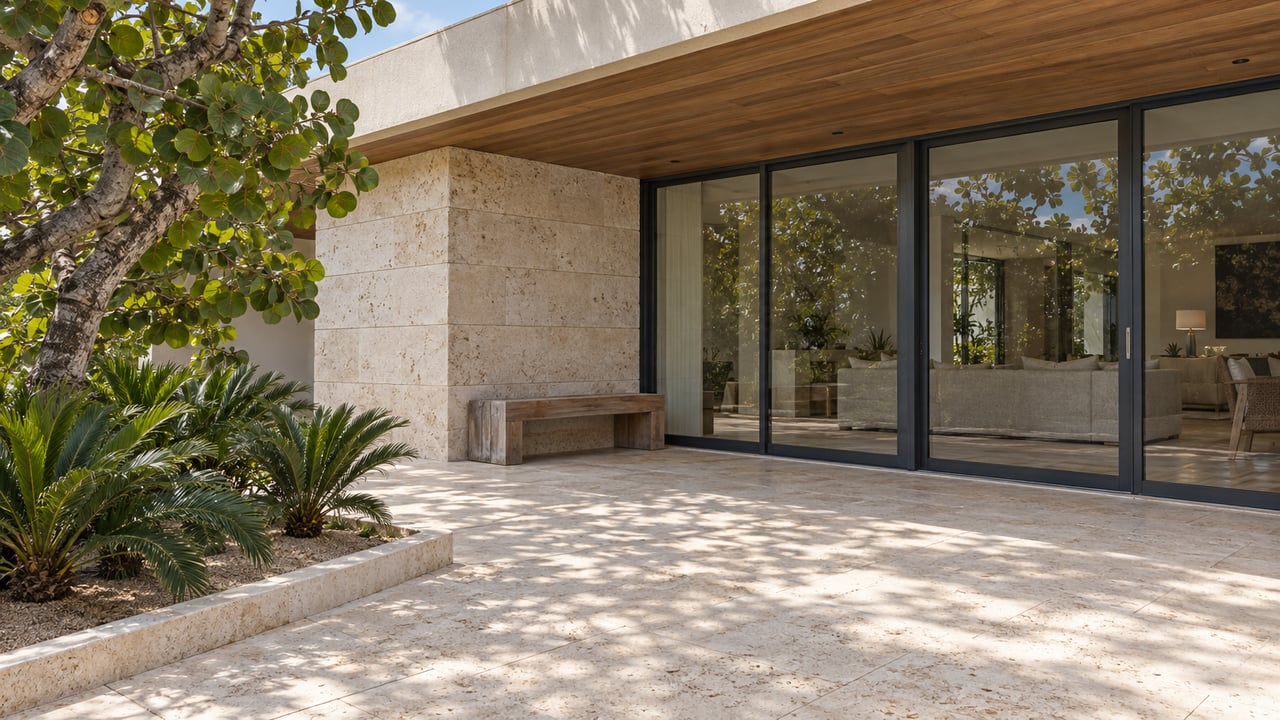
When you look at the way homes are conceived in Lyford Cay, the pattern is clear. Estate design here often leans toward compounds, not just single-box houses. That approach supports privacy, flexibility, and longer stays for family and guests.
A current construction example in the community includes a main residence with an adjoining guest cottage, private pool, gazebo, driveway and walkways, along with marina and golf-course views set within mature landscaping. That is a useful real-world signal. The design brief in Lyford Cay often includes separate spaces for hosting, retreat, and service.
This is also consistent with the Bahamian building code. The code includes servant quarters, verandahs, carports, garages, laundries, porches, and similar structures in its residential area definitions. It also includes hurricane precautions for construction, which helps explain why durable building shells, sheltered outdoor rooms, and support spaces remain important in island estate planning.
What a Multi-Generational Layout Can Prioritize
If you are designing or evaluating a legacy estate in Lyford Cay, it helps to think beyond bedroom count. The stronger question is how the home organizes daily life. In this setting, layout often matters as much as size.
A thoughtful estate plan may prioritize:
- Separation between family suites and guest accommodations
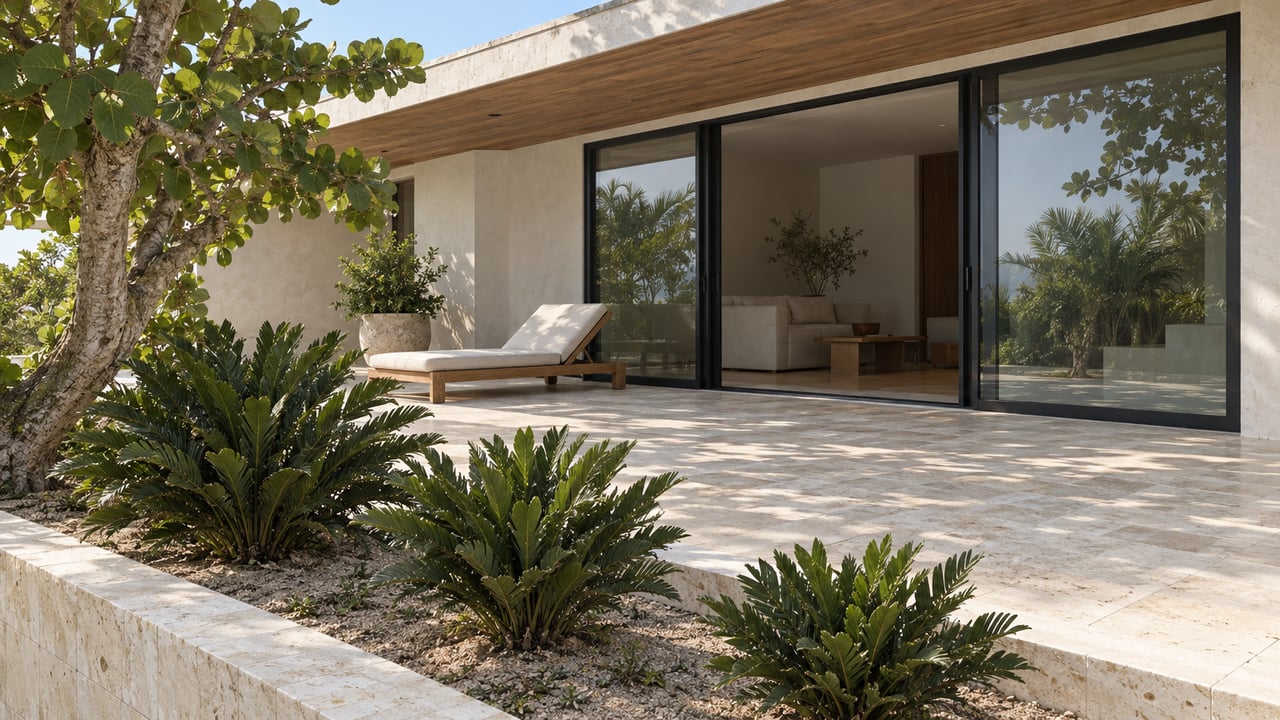
- Covered verandahs and outdoor rooms for year-round use
- Service areas that support longer stays and larger households
- Landscaped buffers that enhance privacy
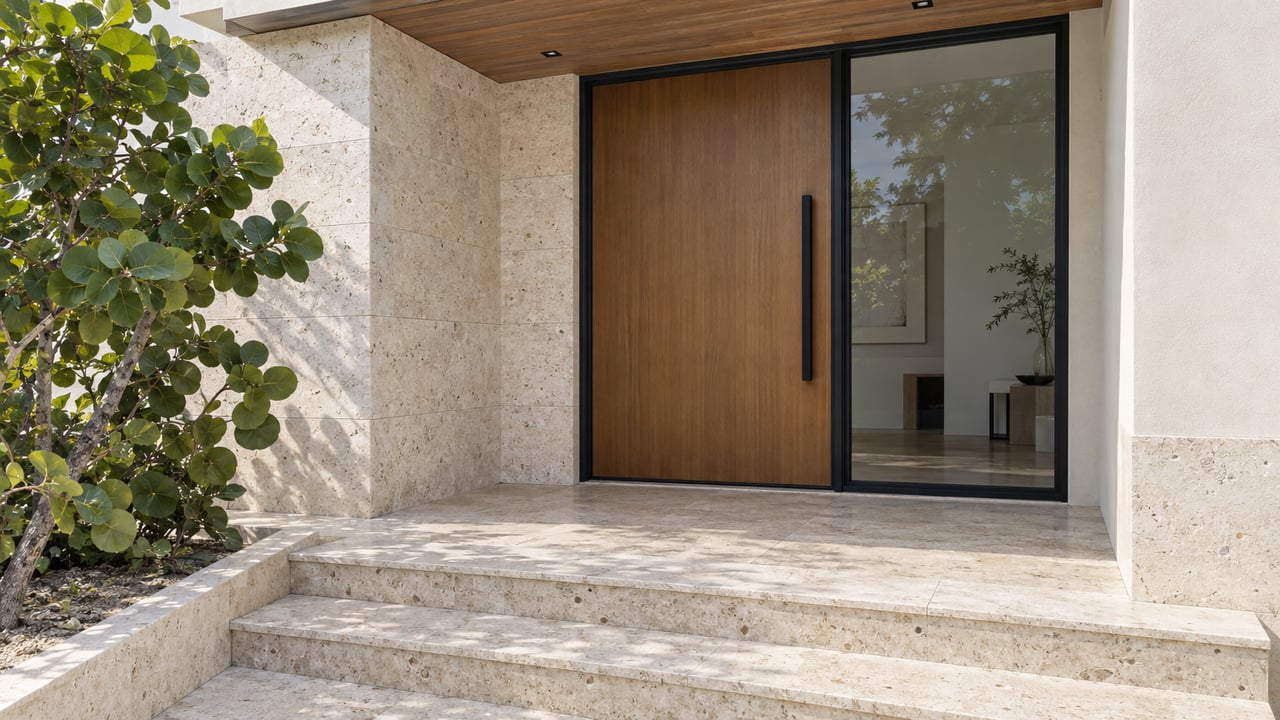
- Arrival sequences that create a sense of calm and discretion
- Entertaining areas that connect naturally to pool, garden, or waterfront settings
These choices align with the community's zoning rules, estate-scale parcels, and long-standing culture of hosting. They also support the idea that a home in Lyford Cay should serve your family well now and adapt over time.
Full-Time Living Is Well Supported
Legacy ownership often means you are not buying just for holidays. You may want a home that works for longer stays, seasonal use, or full-time living. Lyford Cay has several institutional and service layers that support that decision.
The Property Owners Association describes 24-hour security and fire protection, sanitation, landscaping, mail service, road maintenance, canal wall maintenance, and liaison with government agencies. It also notes a community hospital, and the founding plan included a church, school, and medical facility. Taken together, those services give Lyford Cay a managed estate character rather than a purely recreational feel.
Hospitality support is also part of the broader ecosystem. Club accommodations include clubhouse rooms and cottages, making it easier for extended family or guests to stay within the community. Official club information lists 32 clubhouse rooms, 8 clubhouse suites, and 19 club cottages.
School Access and Family Continuity
For families who plan to spend significant time in Lyford Cay, school proximity can be part of the lifestyle equation. Lyford Cay International School states that its Lower Campus is inside the Lyford Cay community, gated and patrolled. The school serves students from 18 months through Grade 12 and offers the full International Baccalaureate continuum.
That does not define the community on its own, but it does support continuity for families with children. Instead of treating education as a separate logistical issue, many buyers can view it as part of the neighborhood fabric. For a legacy-minded household, that kind of integration can matter.
Stewardship Is Part of the Story
The strongest legacy estates are not only beautiful. They are connected to a place with a culture of stewardship. Lyford Cay's founding vision included more than private homes and leisure amenities.
The Property Owners Association notes that E.P. Taylor's plan included housing for Bahamians working in Lyford Cay, and that he encouraged owners to help staff become homeowners. The POA also describes the Lyford Cay Foundation, formed by members of the club and community, as the largest charity in The Bahamas. These details help frame Lyford Cay as a place shaped by continuity, management, and a broader civic awareness.
That matters if you are thinking about ownership in generational terms. A legacy estate works best in a community where long-term care of place is built into the culture.
What Buyers Should Look For
If your goal is to create or acquire a true legacy property in Lyford Cay, focus on the qualities that hold value over time. The right home is rarely just the largest one. It is the one whose land, layout, and lifestyle fit together well.
As you evaluate options, consider:
- Parcel size and how it supports privacy
- Whether the home feels designed for gathering across generations
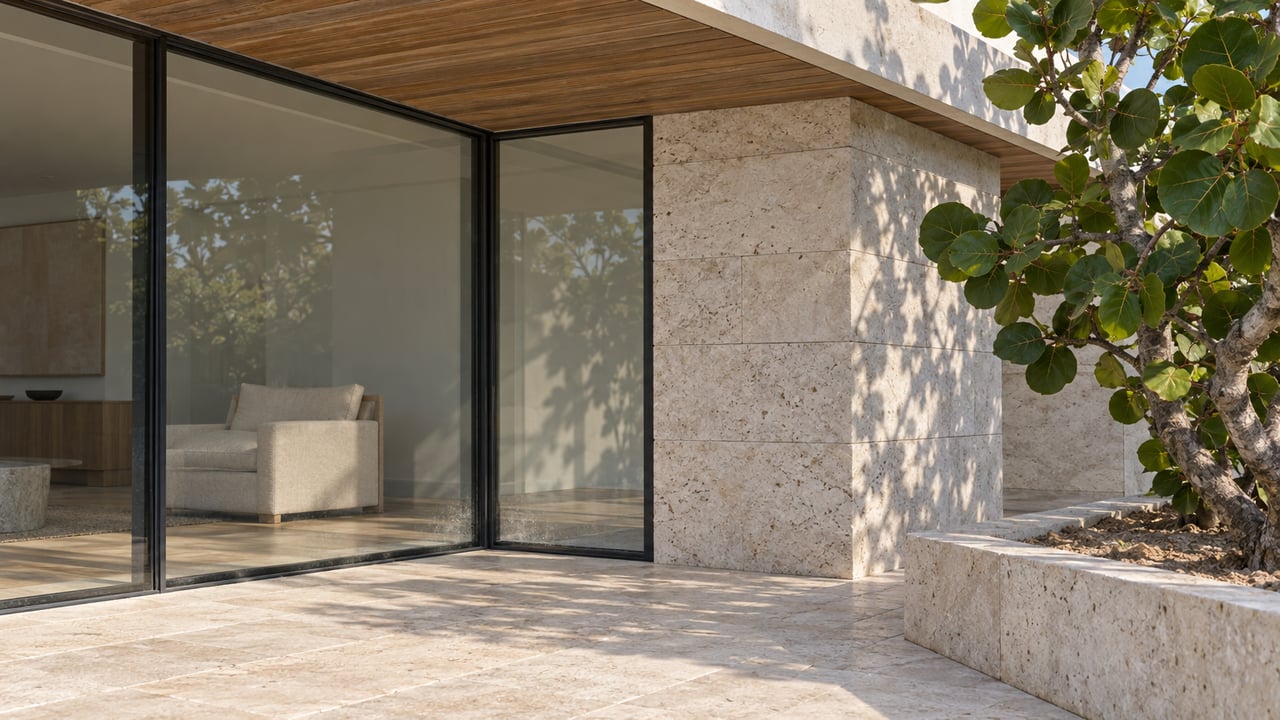
- The relationship between indoor rooms and outdoor living areas
- Guest accommodations and household support spaces
- Landscape maturity and how it frames the estate
- Proximity to the club, beach, harbour, or golf depending on your priorities
- The property's ability to serve as both a retreat and an active family base
In Lyford Cay, these are often the details that separate a luxury residence from a true legacy holding.
A Curated Approach Matters
Because Lyford Cay is low-density, club-centered, and highly specific in how it lives, buying well here requires more than a broad property search. It calls for local insight, discretion, and a clear understanding of how estate design, parcel characteristics, and community structure work together.
That is especially true if you are weighing on-market options against private opportunities, or if your priorities include architecture, hosting potential, yachting access, or long-term family use. In a market like this, the most meaningful value often sits in the fit between property and lifestyle.
If you are exploring Lyford Cay with a legacy mindset, The Altidor Collection offers a discreet, concierge-led approach to curating exceptional Bahamian properties and helping you find the right estate for the life you want to build.
FAQs
What makes Lyford Cay different from a typical luxury community?
- Lyford Cay is shaped by low-density zoning, single-family estate patterns, a private member-owned club, and a service structure that supports long-term ownership and full-time living.
What does legacy estate living in Lyford Cay mean?
- In Lyford Cay, legacy estate living usually means choosing a home and parcel that support privacy, family gatherings, guest stays, entertaining, and long-term stewardship across generations.
What kinds of home layouts fit Lyford Cay best?
- Homes that separate family, guest, and service functions, while also offering strong indoor-outdoor living, sheltered verandahs, and private landscaped settings, often align well with the way Lyford Cay is structured.
Does Lyford Cay support full-time family living?
- Yes. Official community information points to 24-hour security and fire protection, sanitation, landscaping, mail service, road maintenance, canal wall maintenance, a community hospital, and proximity to Lyford Cay International School.
Is the Lyford Cay Club important when choosing a home there?
- Yes. The club is a major part of the lifestyle, with golf, tennis, beach access, dining, a private yacht harbour, social events, and guest accommodations that shape how many owners use their homes.
Why do buyers in Lyford Cay focus so much on land and privacy?
- The zoning framework generally preserves large parcels and limits denser uses, which helps maintain estate scale, visual consistency, and a stronger sense of privacy over time.