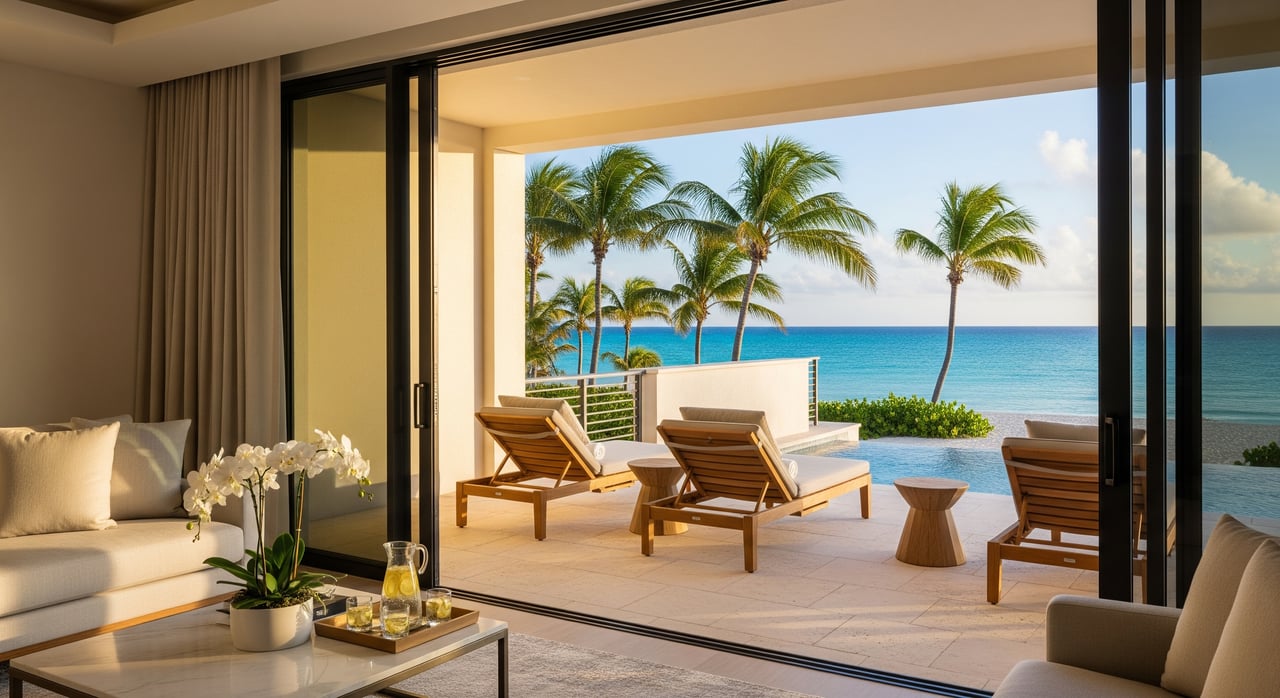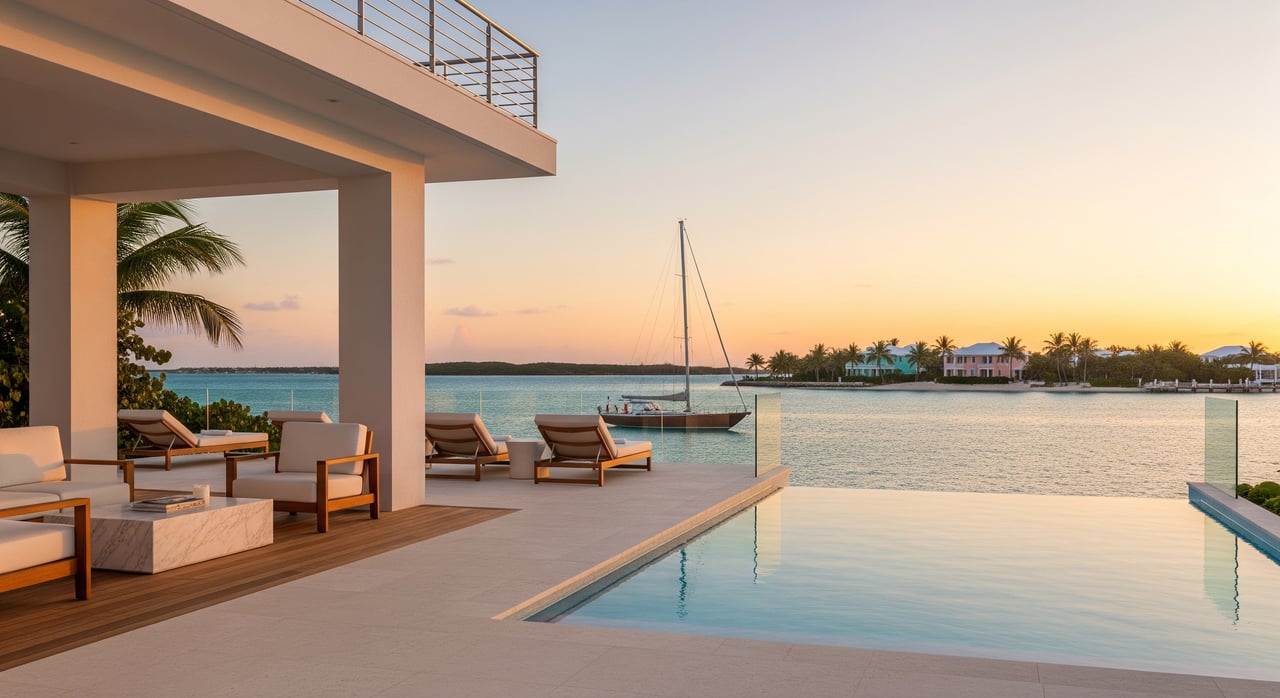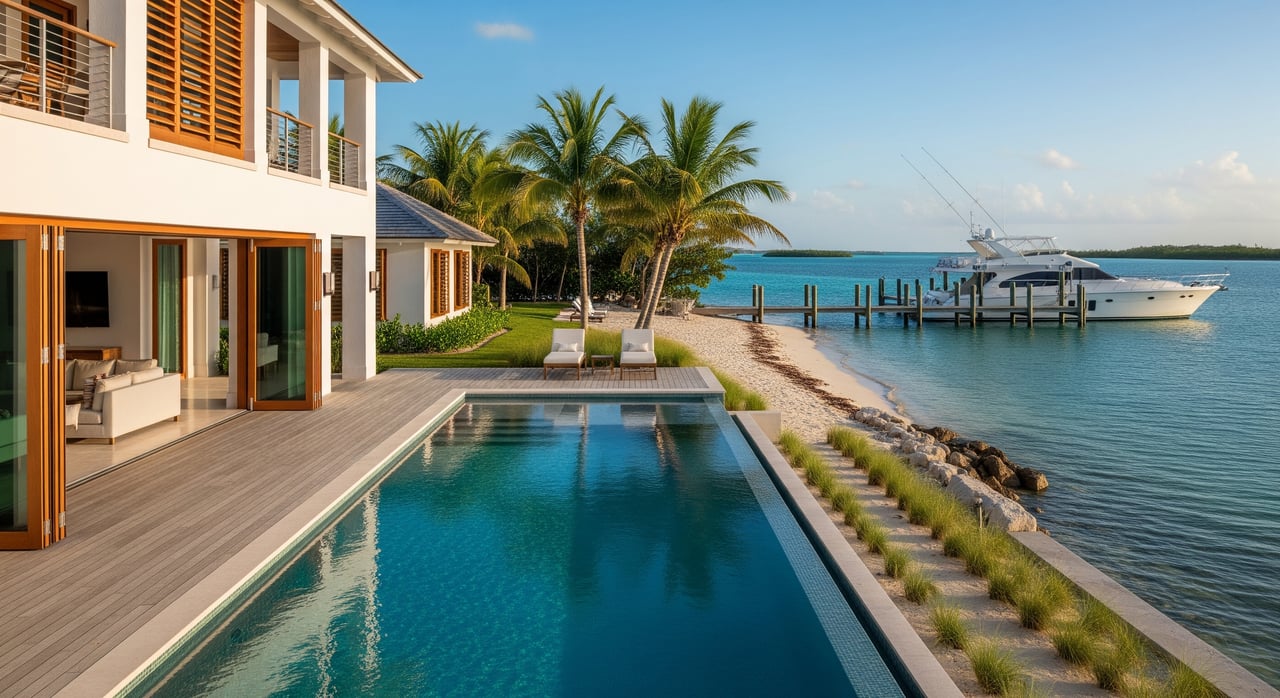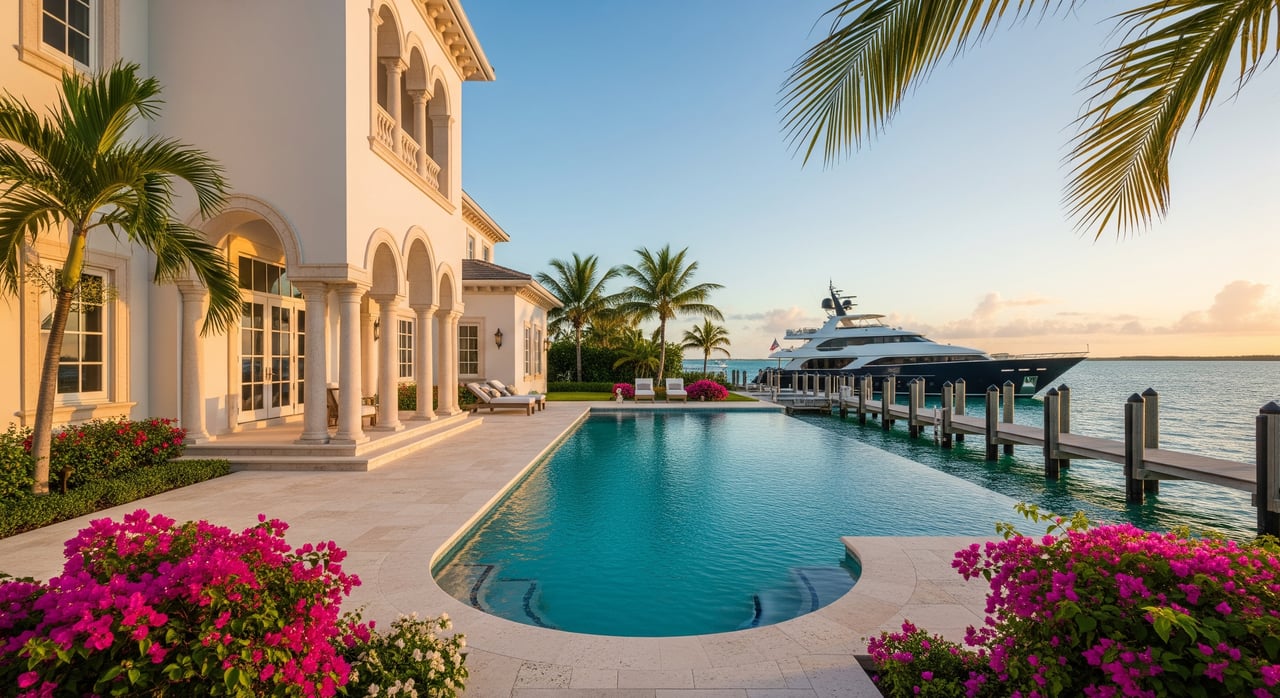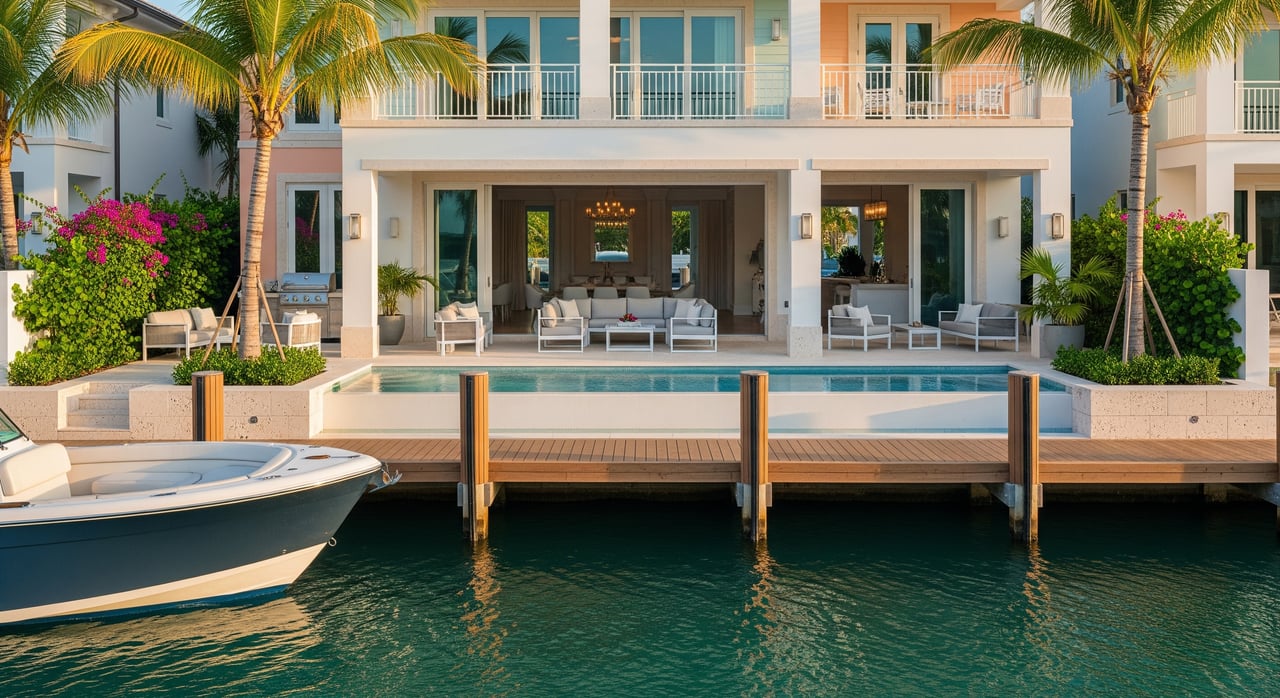
Imagine stepping from your patio to your dock, coffee in hand, and casting off for a morning cruise before brunch. If you are considering a canal-front home in Sandyport, that picture is close to daily life. The key is understanding the practical details that make this lifestyle smooth, from dock care and HOA rules to bridge clearances and hurricane prep. This guide gives you a clear, no-nonsense look at canal-front living in Sandyport so you can buy with confidence. Let’s dive in.
Sandyport at a glance
Sandyport sits on the western side of New Providence near Cable Beach. It is a planned waterfront community with man-made canals and a mixed-use village that includes small shops, restaurants and marina-oriented services. Canal-front homes and townhouses face sheltered canals rather than exposed oceanfront.
The canals connect to the harbor and Atlantic through controlled openings. They are designed for small pleasure craft, not large commercial vessels. Water levels follow normal tides, and while there are generally no locks, access can be shaped by any fixed bridges or channel depth constraints in the local system.
What daily life feels like
When you live on the canal, boating becomes part of your routine. You can walk out to your private or community dock, check lines, and head out for a short cruise or local fishing, then be home for lunch. The waterfront encourages simple rituals like waterside dinners and morning walks along the seawall.
Expect some transient boat noise at peak times. Speed and wake rules help protect docks and seawalls. Community guidelines and maritime regulations are designed to reduce wake damage and support neighborly quiet.
You are close to everyday conveniences. Sandyport Village and nearby Cable Beach offer dining, cafés and beach access within a short walk or drive. You also have relatively easy access to central Nassau and the airport compared with more remote islands, though timing depends on traffic and your destination.
During hurricane season, typically June through November, you plan ahead for your boat and home. Many owners move vessels to safer locations or haul them out before major storms.
Docks and seawalls explained
Canal-front ownership is as much about your waterfront infrastructure as your floor plan. Understanding the dock and seawall is essential.
Common dock arrangements include:
- Private dock. Owned or deeded with the property, with maintenance on you as the owner.
- Community or HOA dock. Shared slips administered by the association. Usage rules and booking systems may apply.
- Public marina slip. Some owners prefer a marina for services like shore power, fuel and pump-outs rather than maintaining a personal dock.
Key items to confirm during your review:
- Ownership and responsibility. Clarify if the dock or seawall is private, licensed, or part of HOA common property, and whether easements or shared maintenance agreements apply.
- Depth and clearance. Ask for depth at the slip at mean low water and the typical clearance under any local bridges. These factors determine the safe draft and air draft for your boat.
- Dock utilities. Verify shore power with voltage and amp rating, potable water, lighting and whether pump-out or sewage disposal is nearby.
- Condition and safety. Inspect pilings, deck boards, cleats, hardware, fendering and electrical installations.
Materials and lifespan considerations:
- Dock structures often use pressure-treated wood, concrete, vinyl or composite decking, with steel or treated timber pilings. In tropical saltwater, corrosion and marine borers are real concerns.
- Seawalls may be concrete, sheet pile or block. They retain the shoreline and protect from erosion and surge.
- Expect routine maintenance like annual checks, pressure washing and hardware tightening. Larger work such as major deck replacement or piling repair can occur on 10 to 25 year cycles depending on exposure and care. Seawall repair is a big-ticket item and may involve the HOA if shared.
Navigation basics to open water
Your boat access depends on draft, air draft and local canal conditions. Three factors matter most:
- Vertical clearance. Any fixed bridge sets the maximum mast height or top-side profile for your vessel.
- Channel width and maneuvering space. Beam and turning radius influence how easily you can get in and out.
- Channel depth at mean low water. This sets the maximum draft and can vary with seasonal shifts or dredging cycles.
How to verify before you buy:
- Request current charting and ask local marinas or harbor operators about typical minimum depths in the approach.
- Confirm presence and type of any bridges, plus their clearances, with the HOA or municipal authorities.
- Check if there are notices to mariners, dredging schedules or temporary restrictions published by local port or harbor offices.
Practical tips:
- If you own a larger boat or a mast-up sailboat, confirm vertical clearance and depth early in your search.
- Plan launches around tide schedules if your draft is near the system’s low-water limits.
- During storms, expect higher surge and stronger canal currents, and follow secure mooring practices or haul out.
HOA rules that matter
HOA governance keeps the canal system functional and attractive. Understanding the rules helps you avoid friction and surprises.
Typical HOA oversight includes:
- Dock and seawall standards, including approved materials and maintenance requirements.
- Boat size limits, slip allocation, guest boat rules and mooring protocols.
- Exterior appearance guidelines for homes, landscaping near seawalls to protect against erosion, and contractor requirements.
- Noise limits and boating speed rules within the canals.
- Insurance minimums and indemnification for waterfront work.
Documents to request during due diligence:
- CC&Rs, bylaws and design guidelines that address dock work and boat ownership.
- Board meeting minutes for the past 12 to 24 months and any notices of planned special assessments.
- Current budget and any reserve study, with details on what fees cover, such as canal maintenance, dredging, security and landscaping.
- HOA insurance policies for common areas and canals, plus a history of claims in recent storm seasons.
Common friction points to clarify upfront:
- Short-term rental rules versus long-term leasing for waterfront homes.
- Permit and approval process for dock installation or repairs.
- Enforcement of boat size or appearance rules that could affect your intended use.
Maintenance and storm readiness
Waterfront structures perform well when you keep a regular schedule.
Suggested rhythms:
- Weekly or biweekly. Visual checks of mooring lines, removal of debris, and line adjustments after storms.
- Quarterly to annual. Inspect power and water hookups, test lighting, tighten hardware and assess deck surfaces for traction.
- Every 3 to 10 years. Inspect pilings and do targeted deck reinforcement or partial replacement along with anti-corrosion work.
- As needed. Pump-out services and hull anti-fouling based on vessel use and water conditions.
Signs of issues to watch for:
- Soft or rotted timber, loose or corroded hardware, leaning or damaged pilings.
- Gaps, cracks or separation in a concrete seawall, or signs of undermining at the base.
- Settlement or separation between the seawall and adjacent ground.
Hurricane and storm season steps:
- Pre-season. Review insurance, inventory equipment, and test shutters and storm covers.
- Boat prep. Double up lines, add chafe protection, remove loose items from docks and decks, and consider relocation or haul-out for major systems.
- Post-storm. Conduct safety checks and document any damage for insurance.
Insurance planning:
- Waterfront properties typically carry both wind and flood coverage, and lenders may require proof of adequate policies.
- Premiums and deductibles can be higher for canal-front homes due to storm exposure. Get quotes from a local insurance broker during your evaluation.
- Budget for possible special assessments if the HOA must fund canal dredging or seawall work beyond reserves.
Due diligence checklist
When you tour a canal-front home in Sandyport, bring targeted questions and request documentation. Focus on:
Physical items to verify:
- Depth at the slip at low tide or recent soundings, plus the condition of the dock, pilings, cleats and electrical hookups.
- Evidence of past repairs to docks or seawalls and whether permits were issued.
- Signs of past flooding or water intrusion in the home.
People and documents to consult:
- HOA CC&Rs and board minutes, the latest survey and deed with any riparian rights or easements.
- Municipal or port permits for previous waterfront work.
- A licensed marine surveyor for the dock and pilings, and a building inspector familiar with seawalls and waterfront foundations.
- Local marina or harbor office for current depths, bridge clearances and pump-out practices.
Questions to ask sellers or the HOA:
- Who owns and maintains the dock and seawall associated with this property?
- What is the lowest recorded depth at the slip in recent years and have there been shoaling issues?
- Have there been special assessments in the past 5 to 10 years related to canals or seawalls?
- Are there restrictions on boat length, draft or mast height, and are guest slips available?
- What hurricane season procedures does the HOA require or recommend?
Permits, environment and title
Waterfront work is regulated and must be documented.
Before closing or commencing improvements:
- Confirm the permits needed for new dock or seawall work through local government or port authorities.
- Check for environmental requirements that protect habitats like mangroves or seagrass beds. Some projects need assessments or specific construction techniques.
- Review title for riparian rights, access or utility easements, and whether canal access is deeded or governed by community rules.
- Engage local advisors such as a real estate attorney, marine contractor, marine surveyor and insurance broker who know Bahamian waterfront standards.
Lifestyle and location perks
Canal-front living in Sandyport blends boating convenience with an easy island rhythm. You can enjoy beaches and dining in Sandyport Village and nearby Cable Beach within a short walk or drive. You also have practical proximity to Nassau’s services and the airport relative to outer islands. For many buyers, this balance of access and calm water protection is why canal-front homes in Sandyport stand out.
If you are comparing neighborhoods, make a list of what you value most. For avid boaters, confirmed depth and bridge clearance might top the list. If you host often, a private dock with shore power and water may be worth a premium. If you prioritize minimal upkeep, a community dock or a marina slip could be the right choice.
Ready to explore canal-front options in Sandyport or want a deeper briefing on navigation, HOA specifics and insurance? Reach out to schedule a private consultation with The Altidor Collection. We can help you verify the details that matter and align the right property with your boating lifestyle.
FAQs
Will my boat fit from a Sandyport canal to open water?
- It depends on your boat’s draft and air draft relative to channel depth and any fixed bridge clearance; confirm with current charts, local marinas and the HOA before you buy.
In Sandyport, who pays for dock or seawall repairs?
- Responsibility depends on ownership status, such as private or HOA common property; check the deed, permits and HOA documents for maintenance obligations.
How often are Sandyport canals dredged?
- Frequency varies with sedimentation patterns and storms; the HOA or local authorities may schedule dredging and fund it through reserves or special assessments.
Are there HOA limits on boat size in Sandyport?
- Many canal communities set limits on boat length, beam or mast height to protect infrastructure and access; always verify Sandyport’s current rules with the HOA.
How does hurricane season affect canal-front ownership?
- You should plan seasonal prep and have a boat storage or haul-out strategy; insurers and lenders may require specific mitigation measures during storm season.
What insurance should I expect for a Sandyport canal home?
- Waterfront owners typically carry wind and flood policies, and premiums and deductibles can be higher; consult a local broker for quotes during due diligence.